Traditional Japanese Tattoo Ideas (Irezumi)
Japanese Tattoo Guide

Traditional Japanese Tattoo Ideas (Irezumi)

Plan a traditional Japanese tattoo with clearer motif meanings, sleeve and back-piece flow, and an AI-ready brief you can refine before speaking with an artist.

What is Japanese tattooing / Irezumi?

Japanese tattooing, often searched as Japanese tattoo, traditional Japanese tattoo, Irezumi, or Wabori, is built around large compositions, flowing movement, negative space, and symbolic motifs. Dragons, koi fish, Hannya masks, tigers, peonies, chrysanthemums, clouds, and waves are not random decoration here; they shape the story and body flow of the piece.

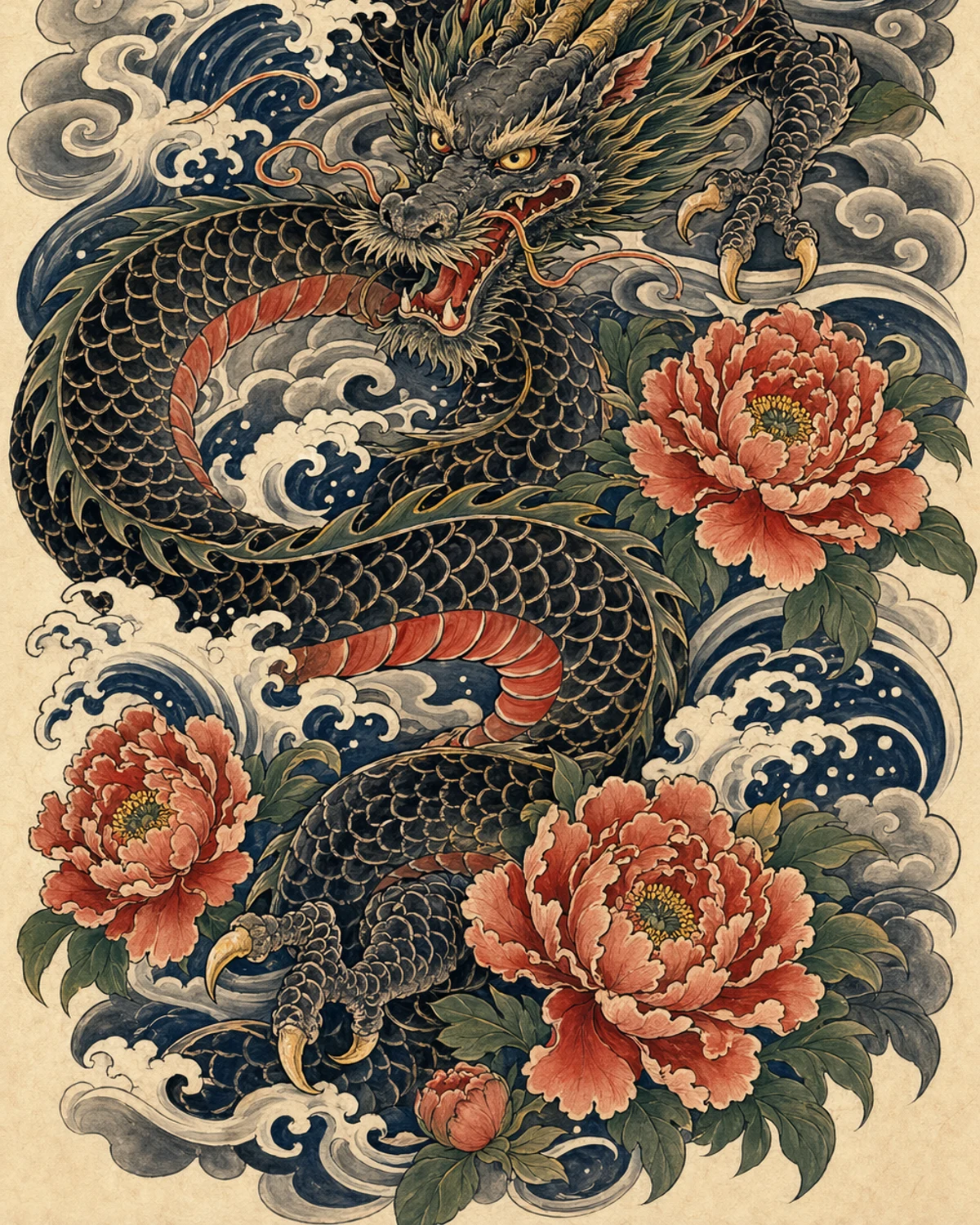
Dragon: wisdom, protection, storm energy, and dominant sleeve composition
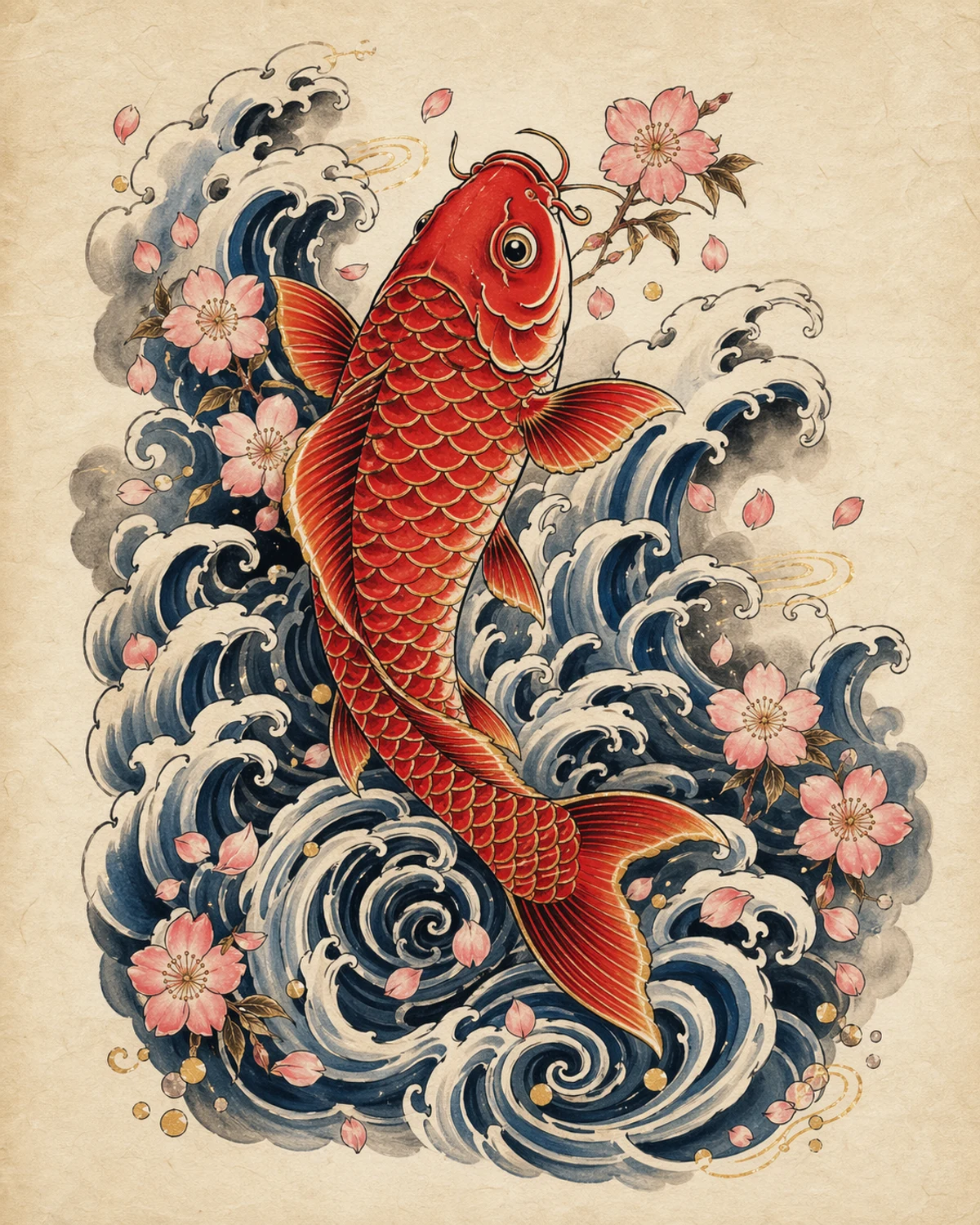
Koi fish: perseverance, upward movement, and progress through resistance
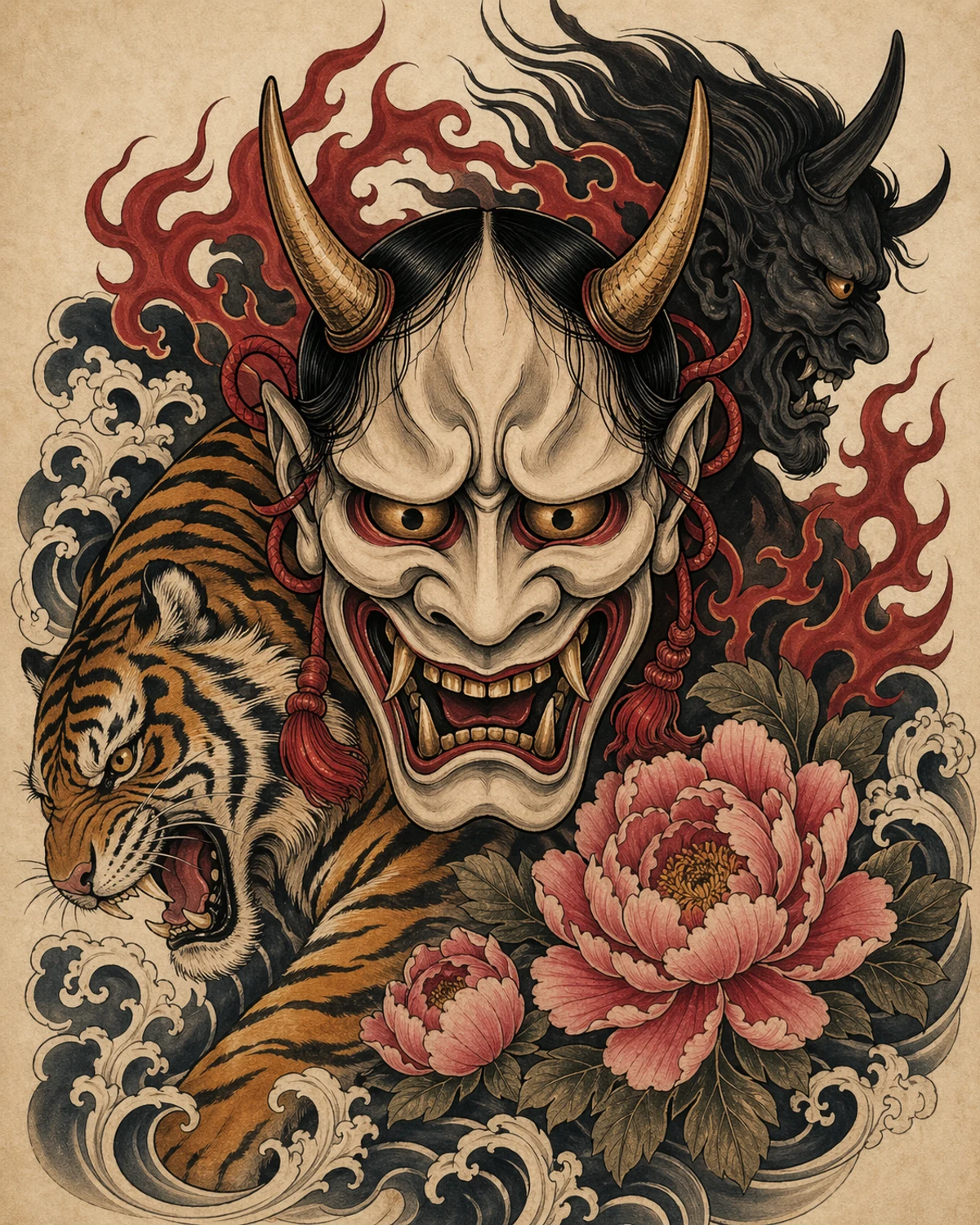
Hannya, tiger, oni, and masks: emotional tension, courage, and dramatic contrast
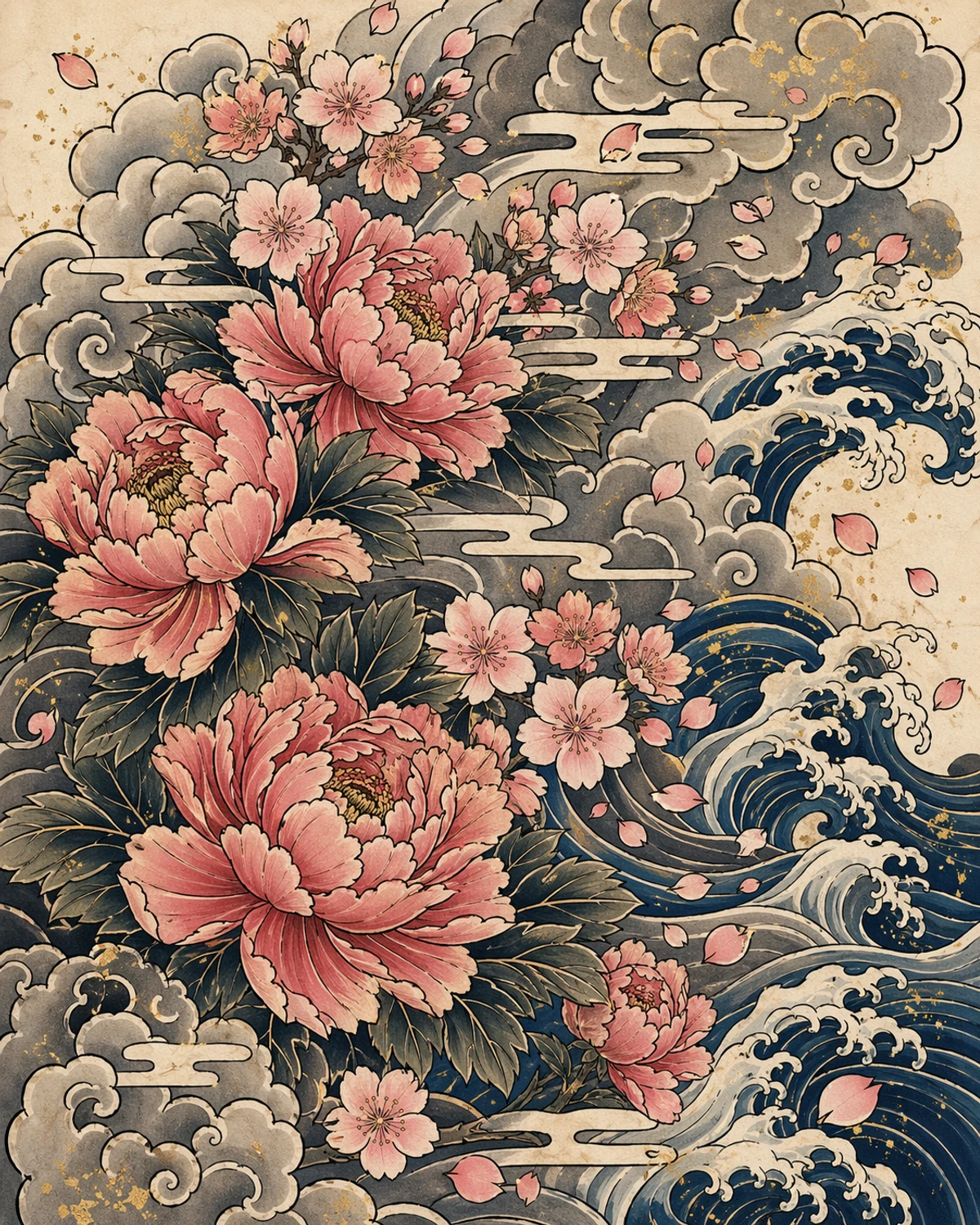
Peony, cherry blossom, clouds, and waves: the background language that makes the whole piece feel Japanese
Dragon Japanese

Starter Prompt

traditional Japanese irezumi tattoo, bold flowing composition, classic motifs, dynamic waves and negative space

Use this as a base, then add motif, placement, palette, and background details.

Core Motif Breakdown

Irezumi motifs are not decoration; they control the story and body flow

A strong Japanese tattoo starts by deciding which motif leads the composition, which elements guide movement, and which background language ties the piece together. Use this breakdown to turn a loose reference board into a clearer tattoo brief.

Dragon Japanese
01

Dragon

protectionwisdomstorm energy

Often the main axis of a large composition, especially when the tattoo needs power and movement.

A Japanese dragon tattoo is not just a fierce creature placed on skin. The coiling body, head direction, claws, clouds, and negative space can lead the eye across the shoulder, arm, chest, or back so the whole piece feels alive.

Best fit

Best for half sleeves, full sleeves, chest panels, back pieces, and designs that need a dominant focal point.

Common pairing

Dragons commonly pair with clouds, waves, flames, and peonies. Clouds create lift, waves continue the body flow, and peonies add richness without weakening the main figure.
Koi fish Japanese
02

Koi fish

perseveranceupward movementtransformation

The strongest choice when you want the tattoo to show progress, resistance, or a climb against the current.

Koi works especially well in vertical placements because direction changes the meaning. Swimming upward, turning through water, or moving against waves can shift the design from calm symbolism to active struggle.

Best fit

Best for forearms, outer arms, calves, leg sleeves, and paired compositions where movement matters.

Common pairing

Koi usually sits with waves, whirlpools, sakura, maple leaves, or lotus. Water creates motion; flowers and leaves add season, tone, and emotional color.

Hannya, tiger, oni, and masks Japanese
03

Hannya, tiger, oni, and masks

tensiondramafocal point

These motifs make the design feel sharper, heavier, and more emotionally charged.

Masks and fierce creatures work like dramatic anchors. Expression, teeth, eyes, and contrast give the tattoo a strong center, which is useful when the wearer wants intensity rather than only beauty.

Best fit

Best for shoulders, chest, outer arms, thighs, or any placement that needs a strong visual center.

Common pairing

They often pair with flames, snakes, waves, and peonies. Fire and snakes intensify danger, while flowers and water bring the image back into a complete Irezumi composition.

Peony, sakura, clouds, and waves Japanese
04

Peony, sakura, clouds, and waves

backgroundseasonunity

These elements make a sleeve or back piece feel like one scene instead of separate images.

Flowers, clouds, and water are not filler. They decide the breath, rhythm, and season of the tattoo. Without them, even a strong dragon or koi can feel pasted on; with them, the composition feels intentional.

Best fit

Best for connecting shoulder to arm, chest to ribs, back to waist, and any large area where the design needs continuity.

Common pairing

Choose a coherent seasonal system instead of stacking every symbol. Peonies with waves feel dense and powerful; sakura with wind and water feels lighter; clouds create space and lift.

How AI helps you design a stronger Japanese tattoo

"Test dragon, koi, Hannya, floral, and wave combinations before you commit to a sleeve or back piece."

"Refine flow for forearm, chest panel, leg sleeve, or full back placement with clearer draft directions."

"Turn scattered references into a cleaner Irezumi brief your artist can actually react to."

Irezumi Meaning, Placement, and Composition

Japanese tattoo, Irezumi, Wabori, and traditional Japanese tattoo are often used together, but the best designs are never just a label. They combine motif meaning, placement, background rhythm, and negative space so the tattoo follows the body instead of sitting on top of it.

If you are comparing Japanese dragon tattoo, koi fish tattoo, Hannya mask tattoo, sleeve, or back-piece ideas, start with the role of each motif. Decide what should lead the story, where the movement should travel, and which clouds, waves, flowers, or leaves will make the design feel complete.

Popular Japanese tattoo motifs

Japanese dragon tattoo

A strong choice for protection, wisdom, weather energy, and large flowing sleeves or back pieces.

Koi fish tattoo

Often used for perseverance, ambition, and movement against the current, especially in arm and leg compositions.

Hannya mask tattoo

Works well when the design needs emotional intensity, contrast, and a sharper dramatic focal point.

Peony, sakura, clouds, and waves

These background elements are what make a Japanese sleeve or back piece feel coherent instead of fragmented.

Japanese tattoo FAQ

In modern search behavior they often overlap, but Irezumi and Wabori point more directly to the traditional Japanese tattoo lineage with specific motifs, body flow, and composition rules.
Dragons, koi, Hannya, tigers, peonies, waves, and clouds are common because they give the sleeve both narrative meaning and the flowing movement needed for the arm.
Describe the main motif, mood, placement, palette, and background language together, for example: traditional Japanese dragon tattoo, flowing waves, peonies, black and grey, half sleeve composition.
Yes, but the motifs should share a clear hierarchy and seasonal logic. Pick one main subject, then use waves, clouds, flowers, masks, or secondary animals to support the flow instead of competing for attention.

Ready to build your Japanese tattoo draft?

Generate My Japanese Tattoo Design
Japanese Tattoo Ideas, Meanings & Irezumi Design Generator | OpenInk