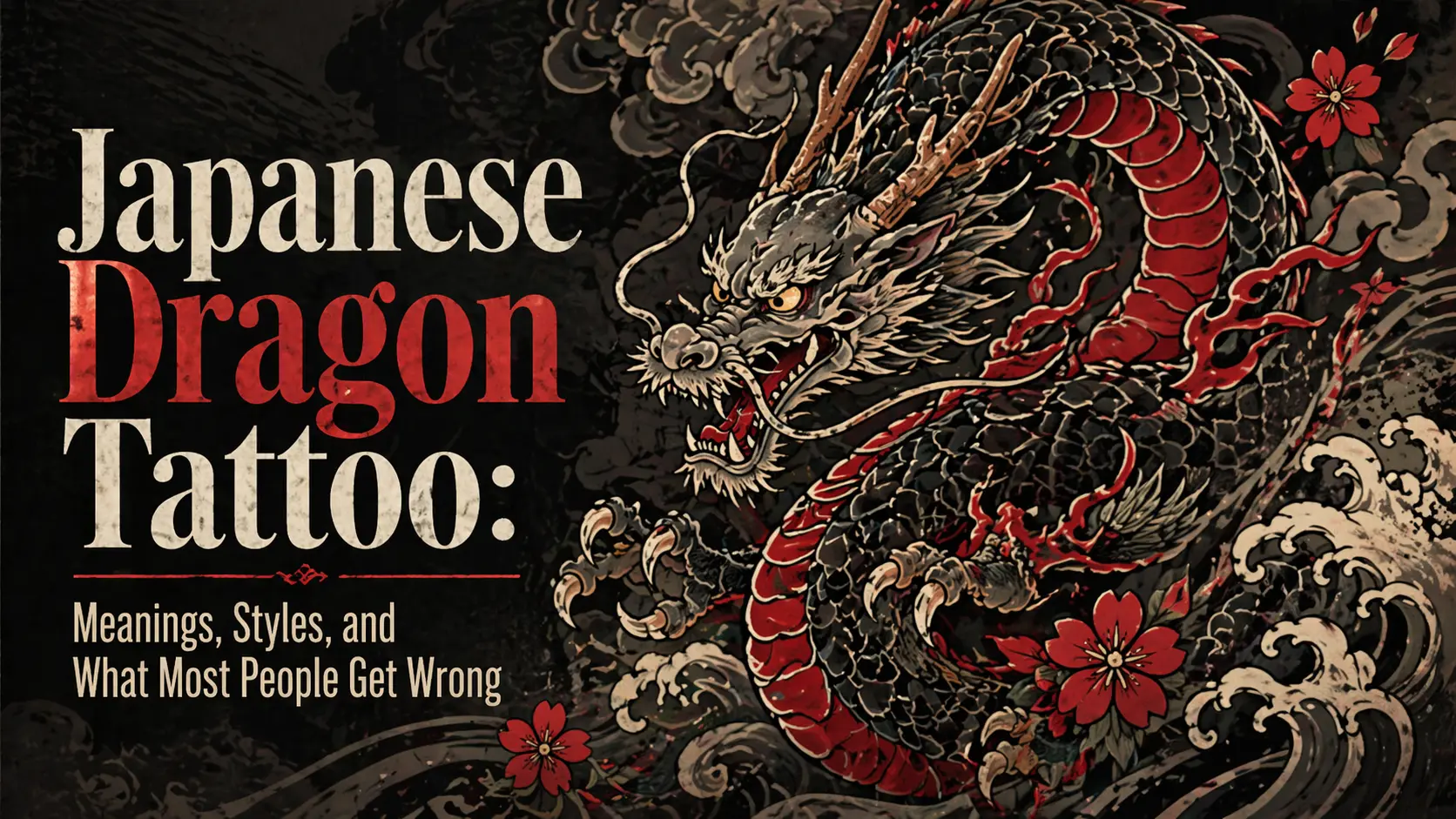
Irezumi: What Makes Japanese Tattooing So Different
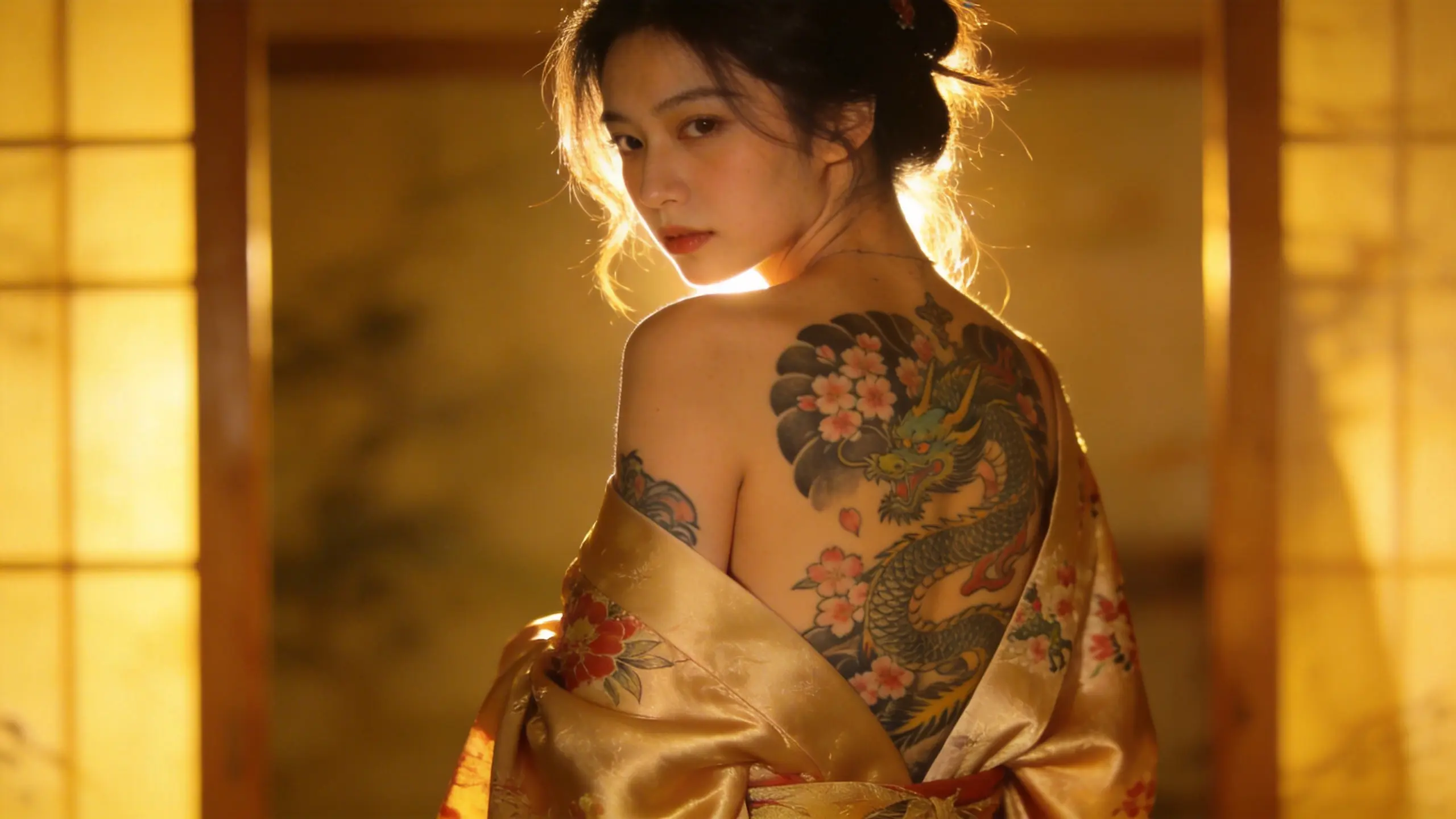
If you've ever stood in front of a full Japanese backpiece and felt like you were reading a story — that's not an accident. Japanese traditional tattooing (Irezumi, or Wabori) was literally designed to be narrative art on skin.
But here's the part most people get wrong: it didn't start as art at all.
From Criminal Branding to Folk Masterpiece
During Japan's early history, tattooing was punishment. Criminals were marked with lines on their foreheads or arms so everyone could see what they'd done. Not exactly the heroic origin story you'd expect.
Then came the Edo period (1603–1868), and everything flipped. Ukiyo-e woodblock prints were everywhere — depicting kabuki actors, courtesans, warriors. Regular people started asking tattoo artists to recreate those prints on their bodies. The same artisans who carved woodblocks picked up needles. Within a generation, tattooing went from shame to swagger.
What's fascinating is that this wasn't a top-down cultural shift. It was working-class people — firefighters, merchants, laborers — who drove the movement. They wanted to wear their values on their skin.
What Actually Sets Japanese Tattoos Apart
People often say "Japanese tattoos are big." That's true but misses the point. Here's what really separates Irezumi from, say, American Traditional or blackwork:
The whole body is one canvas. Western tattoo culture tends to treat each piece as independent — you get a rose here, a skull there. Japanese tattooing thinks in terms of full compositions. Your chest, arms, and back aren't separate real estate; they're panels in the same story.
Background is architecture, not filler. The clouds, waves, and wind bars (called Gakubori) that sit between the main motifs are doing structural work. They connect scenes, create movement, and establish season. A master tattooer spends as much time planning Gakubori as the dragon itself.
Seasonal rules are strict. You won't find cherry blossoms and autumn maple leaves in the same composition. Each element has its season, and mixing them is considered ignorant of the tradition. It's one of those details that separates someone who appreciates Irezumi from someone who just likes the aesthetic.
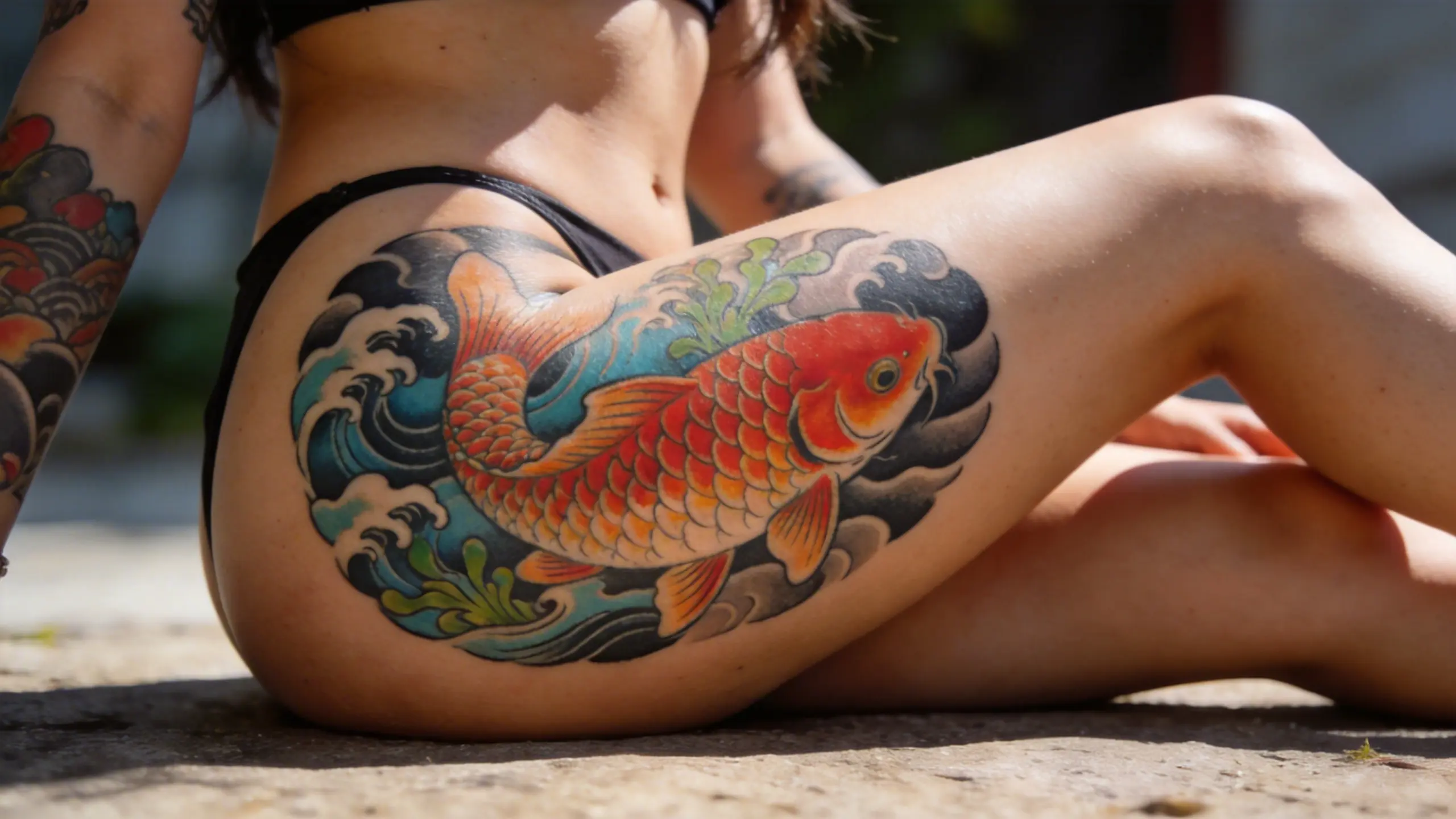
The design follows your body. Japanese compositions are mapped to muscle and bone. When you flex, the waves ripple. When you move your arm, the koi appears to swim. None of that is accidental; it's planned around your anatomy.
How We Approach Japanese Design at OpenInk
Traditionally, planning a full Japanese sleeve or backpiece takes weeks of sketching before a single needle touches skin. Our AI was trained on classical Edo-period compositional logic, which means it understands things like:
- How to generate Gakubori that actually flows with your primary motif instead of just filling space
- Compositional balance — adjusting where a dragon coils or how waves crash using InkMuse
It's not a replacement for a master tattooer's decades of experience. But it's a powerful starting point for exploring what your piece could look like.
Series: Japanese Tattoo Motifs Explained
This is an ongoing series where we break down individual motifs — their history, what they mean, and how to use them well. We'll keep adding to this list:
- Koi — Why Direction Matters More Than Color — Live now
- Ryu (Dragon) — Protection, Power, and Why Western Dragons Are Nothing Like This — Live now
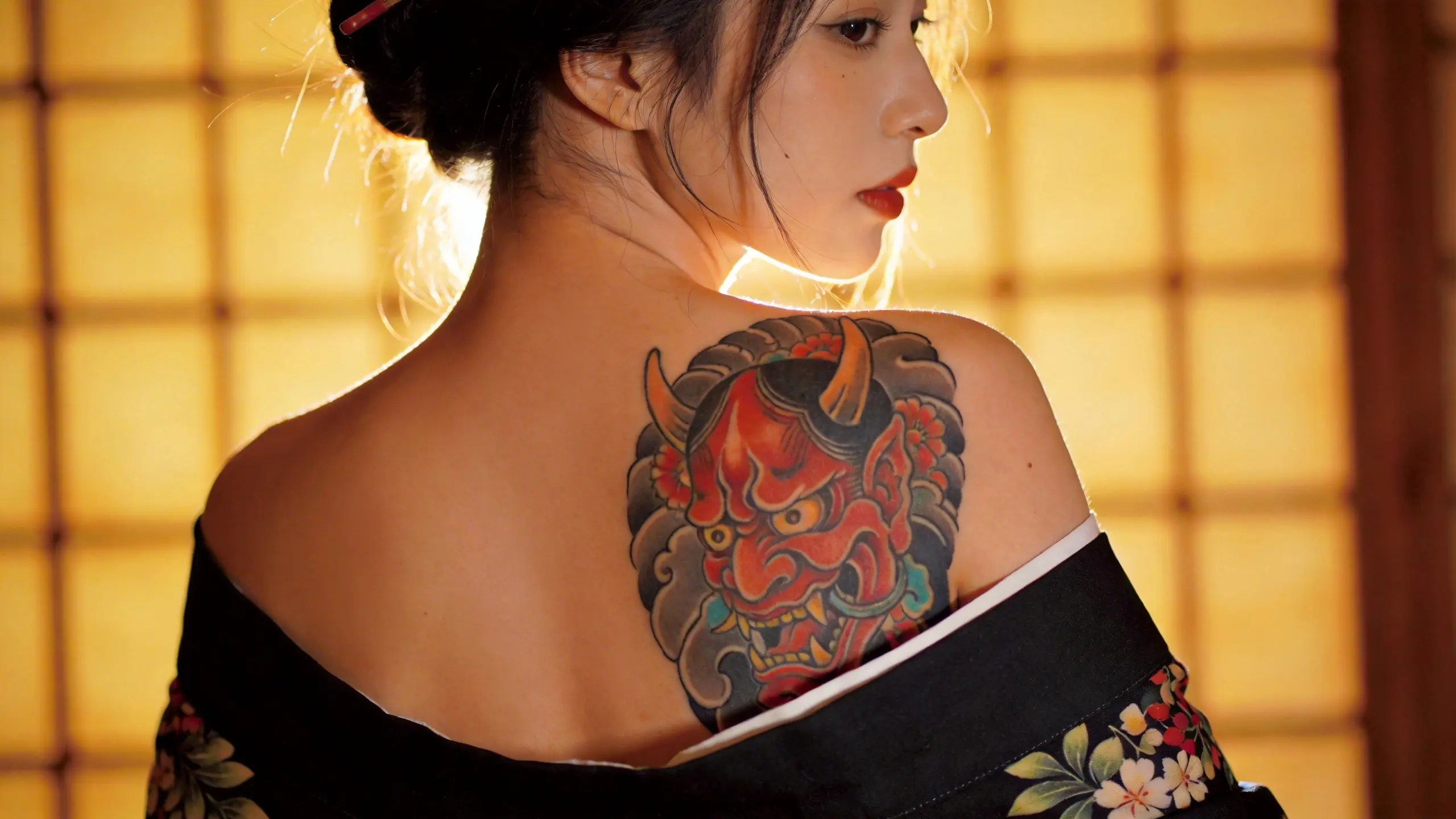
- Hannya — The Mask That Means More Than Jealousy — Live now
Turn this guide into a tattoo draft
Keep the motif from this article, then test style, placement, and line weight before you talk with an artist.